──────── • ────────
Budvár és Csicser legendája
A legenda szerint mind Budváron, mind Csicseren egy-egy büszke vár állt. Budvár királyának fia mély szerelemre lobbant Csicser királyának leánya iránt. Szerelmük azonban tiltott volt: a szülők hallani sem akartak a frigyről, és minden erejükkel azon voltak, hogy megkeserítsék a fiatalok életét.
Így a szerelmesek csak titokban találkozhattak. Üzeneteiket apró papírdarabokra írták, majd nyílvesszőhöz kötve lőtték át egymásnak, hogy kijelöljék találkozásaik helyét és idejét.
Hosszú idő telt el, de a sok tiltás és akadály ellenére sem adták fel egymás iránti érzéseiket. Szerelmük kitartóbbnak bizonyult minden parancsnál és fenyegetésnél.
Végül a szülők belátták, hogy minden tiltás hiábavaló. Beleegyeztek a házasságba, s ezzel a két királyság egyesült. Erre nagy szükség is volt, hiszen közösen sokkal könnyebben védhették meg váraikat a török és tatár támadások ellen.
──────── • ────────
Zetelakán túl magas szikla tetején állt Zete vára.
Zetének volt egy csodás vára Csele völgyében, de hogy ne erőltessék rá az új hitet, ezért a szikla tetejére építette új várát s itt élt lányaival, míg fia harcolt.
Telt múlt az idő, néha az a hír jött, hogy fia meghalt a harcban, akkor megsiratták, máskor, hogy áttért az új hitre, akkor apja megátkozta.
De egyik nap mikor senki sem gondolt rá, fehér paripáján felvágtatott a várba. Apja haragudott rá, mert hitét elhagyta s rákiáltott:
Nem kell a te jövevény Istened!
Ekkor a föld megremegett s az egész várat kincseivel együtt maga alá temette, csak fia tudott leugratni a várról. Ma is látszik lova patáinak nyoma hova szerencsésen földet ért.
De Szent-György nap éjjelén az eltemetett vár vasajtajai megnyílnak minden évben.
Sokan próbáltak szerencsét, de ki bement többé nem jött ki onnan.
Egy Zetelaki ember kinek neve Botházi volt úgy döntött, szerencsét próbál.
Szent-György nap éjszakáján pont éjfélkor nagy dördüléssel ki is nyílt a vasajtó. Bement.
Zeta csodálatos két lánya ott ült a kincsek mellett és varrt.
Gyorsan megtöltötte tarisznyáját, kalapját a kincsekkel.
A lányok rászóltak.
Siess már, mert itt pusztulsz.
Még gyorsan megtöltötte zsebeit is s sietett kifelé. De épp mikor kitette a kapun egyik lábát, a kapu becsapódott s másik lábát elvesztette.
Meggazdagodott, de nem sok öröme volt benne: ahogy jött a sok kincs úgy el is ment, csak csúfneve maradt meg, Sánta Botházi.
Azóta békésen hímeznek Zeta lányai, nem háborgatja őket senki.
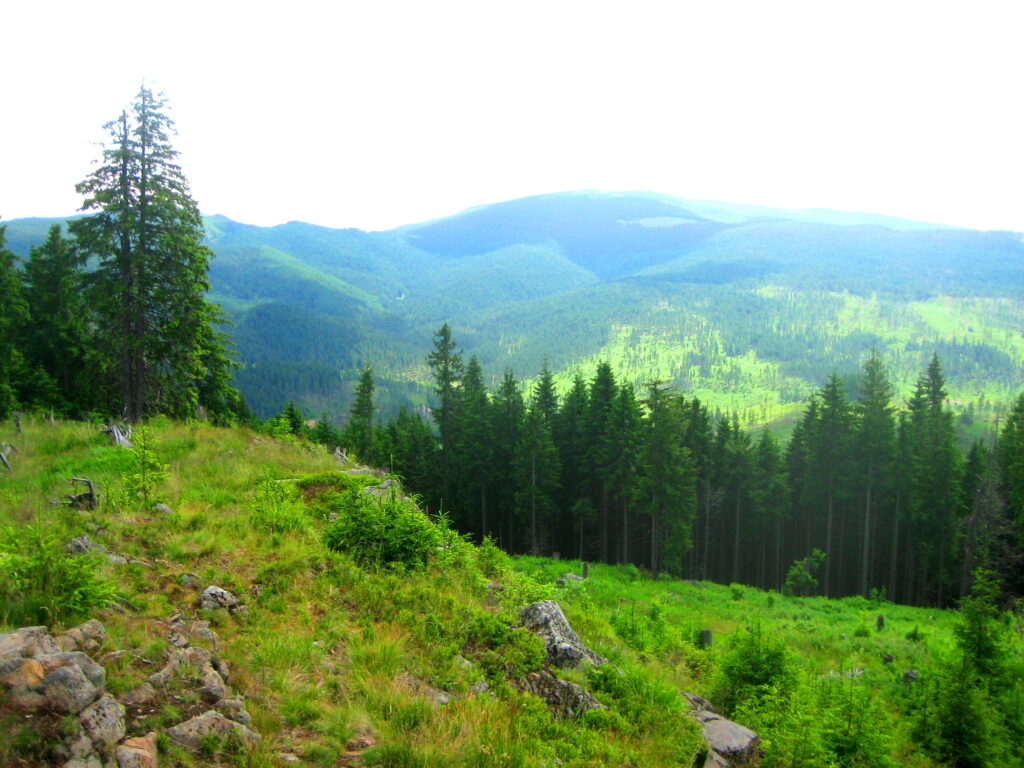
Réges-régen, amikor a hegyek még beszélni tudtak, és a fák titkokat suttogtak a szélnek, élt egy hatalmas, de jószívű óriáslány a magas hegyek között.
Hargitának hívták.
Hargita magasabb volt a fenyőknél, és ha nevetett, visszhangzott tőle az egész völgy. Mégsem volt magányos, mert volt egy barátja. Egy különleges barátja.
Gyöngyvér ugyanis nem volt óriás.
Ő egy gyönyörű tündérlány volt, akinek haja úgy csillogott, mint a harmat a reggeli napsütésben. Könnyű léptekkel járt a réteken, és amerre ment, virágok nyíltak.
A két lány elválaszthatatlan volt.
Beszélgettek a csillagokról, a patakokról, és arról, milyen lehet az emberek világa odalent.
Egy nap azonban Gyöngyvér szomorúan ült egy sziklán.
– Mi bánt, kedves barátnőm? – kérdezte Hargita, és leült mellé, vigyázva, nehogy összetörje a virágokat.
Gyöngyvér sóhajtott.
– Találkoztam egy emberrel. Egy pásztorfiúval. Szeretjük egymást… de én tündér vagyok. Nem élhetek vele.
Hargita hallgatott. Tudta, mit jelent ez. Tudta, hogy a tündérek és az emberek világa ritkán találkozik.
Aznap éjjel Hargita nem aludt. A csillagokat nézte, és gondolkodott.
Végül megszületett a döntés a szívében. Másnap reggel odahívta Gyöngyvért a hegy tetejére.
– Van egy mód – mondta halkan. – Emberré változtathatlak.
Gyöngyvér szeme felragyogott.
– Igazán?
Hargita bólintott.
– De ára van.
– Mi az ára? – suttogta Gyöngyvér.
Hargita elmosolyodott, de a szemében könny csillogott.
– Ha emberré válsz… én többé nem maradhatok itt. El kell mennem.
El kell bújdosnom, hogy a varázs örökre megmaradjon. Gyöngyvér sírni kezdett.
– Nem akarom elveszíteni téged!
Hargita gyengéden megsimította.
– Nem veszítesz el. Amíg emlékszel rám, itt leszek.
Azzal felemelte a kezét, és egy ősi, halk dalt énekelt. A szél megállt.
A hegy figyelt. És amikor a dal véget ért…Gyöngyvér már nem volt tündér.
Ember lett. Igazi, boldog ember.
Nem sokkal később feleségül ment a pásztorfiúhoz. Boldogan éltek.
És ha néha felnéztek a hegyre, úgy tűnt, mintha a hegy mosolyogna.
Mert Hargita nem tűnt el teljesen. Azt mondják, ő maga lett a hegy. Őrzi a barátnője boldogságát.
És ha csendben figyelsz egy nyári estén, amikor a szél végigsuhan a fenyők között…
talán hallod az óriáslány halk, szeretettel teli nevetését.
Die Legende von Budvár und Csicser
Der Legende nach standen sowohl in Budvár als auch in Csicser mächtige Burgen. Der Sohn des Königs von Budvár verliebte sich unsterblich in die Tochter des Königs von Csicser. Doch ihre Liebe war verboten: Die Eltern wollten nichts von dieser Verbindung wissen und taten alles, um den jungen Liebenden das Leben schwer zu machen.
So konnten sich die beiden nur heimlich treffen. Ihre Nachrichten schrieben sie auf kleine Papierstücke, banden sie an Pfeile und schossen sie einander zu, um Ort und Zeit ihrer Treffen festzulegen.
Viele Jahre vergingen, doch trotz aller Verbote und Hindernisse gaben die jungen Menschen ihre Liebe nicht auf. Ihre Gefühle erwiesen sich als stärker als jede Anordnung.
Schließlich erkannten die Eltern, dass aller Widerstand vergebens war. Sie stimmten der Hochzeit zu und vereinigten damit ihre Reiche. Dies war auch notwendig, denn gemeinsam konnten sie ihre Burgen leichter gegen türkische und tatarische Angriffe verteidigen.
Jenseits von Zetelaka stand einst auf einer hohen, steilen Felsklippe die Burg des Zete. Tief darunter lag das Tal von Csele, oft in Nebel gehüllt, als bewahre es uralte Geheimnisse.
Zete besaß ursprünglich eine prächtige Burg im Tal. Doch als sich der neue Glaube im Land ausbreitete und man ihn zwingen wollte, den Glauben seiner Ahnen aufzugeben, ließ er auf dem Felsen eine neue Burg errichten. Dort lebte er stolz und unbeugsam mit seinen beiden Töchtern, während sein Sohn in den Kriegen kämpfte.
Im Laufe der Zeit trafen widersprüchliche Nachrichten ein. Mal hieß es, der Sohn sei gefallen — dann trauerte man in der Burg. Ein anderes Mal sagte man, er sei zum neuen Glauben übergetreten — dann verfluchte ihn sein Vater.
Eines Tages jedoch, völlig unerwartet, ritt der Sohn auf seinem weißen Pferd zur Burg hinauf — lebend. Doch Zetes Gesicht verhärtete sich.
„Deinen fremden Gott brauche ich nicht!“ rief er.
Da erbebte die Erde. Der Felsen erzitterte, und die ganze Burg versank mitsamt ihren Schätzen im Boden. Nur dem Sohn gelang es, mit seinem Pferd von der Mauer zu springen. Noch heute soll man die Hufspuren dort sehen können, wo das Pferd sicher landete.
Doch die Geschichte endet hier nicht.
In jeder Nacht zum Georgstag öffnen sich um Mitternacht mit gewaltigem Donnern die eisernen Tore der versunkenen Burg. Wer mutig genug ist, darf eintreten — doch kaum einer kehrt zurück.
Viele versuchten ihr Glück, doch wer hineinging, kam nie wieder heraus.
Ein Mann aus Zetelaka namens Botházi beschloss, sein Glück zu wagen. In der Georgsnacht, genau um Mitternacht, sprang das Eisentor mit lautem Krachen auf. Er trat ein.
Dort saßen Zetes zwei wunderschöne Töchter zwischen den Schätzen und stickten ruhig, als wäre die Zeit stehen geblieben.
Botházi füllte hastig seinen Beutel, seinen Hut und seine Taschen mit Gold. Die Töchter warnten ihn:
„Beeile dich — sonst wirst du hier zugrunde gehen!“
Doch seine Gier hielt ihn einen Augenblick zu lange fest. Als er gerade hinaustrat, schlug das Tor plötzlich zu. Ein Bein war bereits draußen — das andere blieb drinnen. Das Tor zerschmetterte es.
Er wurde reich, doch das Glück währte nicht lange. Der Reichtum verschwand so schnell, wie er gekommen war. Nur sein Spottname blieb: Der lahme Botházi.
Und so sticken Zetes Töchter bis heute friedlich tief unter der Erde, ungestört von der Welt darüber.
Vor langer Zeit, als die Berge sprechen konnten und die Bäume dem Wind Geheimnisse zuflüsterten, lebte ein Riesenmädchen in den Bergen. Sie hieß Hargita.
Sie war größer als die Tannen, und ihr Lachen erfüllte das ganze Tal. Doch sie war nicht allein.
Denn sie hatte eine Freundin.
Gyöngyvér war eine Fee.
Ihr Haar glänzte wie Morgentau, und überall, wo sie ging, blühten Blumen.
Eines Tages war sie traurig.
„Was ist los?“ fragte Hargita.
„Ich habe einen Menschen getroffen. Einen Hirten. Wir lieben uns… aber ich kann nicht bei ihm bleiben.“
Hargita dachte die ganze Nacht nach.
Am Morgen sagte sie: „Ich kann dich in einen Menschen verwandeln.“
Gyöngyvér war voller Hoffnung.
„Aber ich muss dafür fortgehen. Für immer.“ Gyöngyvér weinte.
„Ich werde dich nie vergessen,“ sagte Hargita. Sie sang ein altes Lied.
Der Wind wurde still. Der Berg hörte zu. Und als das Lied endete… war Gyöngyvér ein Mensch. Sie lebte glücklich mit ihrem Hirten.
Und man sagt, Hargita wurde selbst zum Berg.
Und wenn du abends gut zuhörst…
kannst du vielleicht ihr liebevolles Lachen hören.
.
The Legend of Budvár and Csicser
According to legend, proud castles once stood in both Budvár and Csicser.
The son of the king of Budvár fell deeply in love with the daughter of the king of Csicser. Their love, however, was forbidden. The parents refused to accept the relationship and repeatedly tried to make life difficult for the young lovers.
As a result, they could meet only in secret. They wrote their messages on small pieces of paper, tied them to arrows, and shot them across to one another to mark the place and time of their meetings.
Many years passed, yet despite all prohibitions and obstacles, the young couple never gave up on their love. Their devotion proved stronger than any command or threat.
In the end, the parents realized that all resistance was in vain. They consented to the marriage, thus uniting their kingdoms. This unity was much needed, for together they could more easily defend their castles against Turkish and Tatar attacks.
.
Beyond Zetelaka, on top of a steep and towering cliff, once stood the castle of Zete. Below it stretched the valley of Csele, often wrapped in mist, as if guarding ancient secrets.
Zete had once owned a splendid castle in the valley. But when the new faith began spreading across the land and pressure mounted for him to abandon the beliefs of his ancestors, he chose instead to build a new fortress atop the rock. There he lived proudly and stubbornly with his two daughters while his son fought in distant battles.
Conflicting news arrived over the years. Sometimes word came that his son had fallen in battle — and the castle mourned him. Other times rumors spread that he had converted to the new faith — and Zete cursed him in anger.
Then one unexpected day, the son rode up to the castle gates on his white steed — alive. He stood before his father. But Zete’s face hardened.
“I do not need your foreign God!” he shouted.
At that moment, the earth trembled. The rock shook, and the entire castle sank into the ground along with all its treasures. Only the son managed to leap from the walls with his white horse. To this day, people say the hoofprints can still be seen where the horse safely landed.
Yet the tale continues.
Every year, on the night of Saint George’s Day, at the stroke of midnight, the iron gates of the buried castle burst open with a thunderous crash. The brave may enter — but few return.
Many tried their luck, but none who entered ever came back.
One man from Zetelaka, named Botházi, decided to test his fortune. On Saint George’s night, exactly at midnight, the iron gate opened with a mighty roar. He stepped inside.
There sat Zete’s two beautiful daughters among the treasures, calmly embroidering as if time itself had frozen.
Botházi hurriedly filled his bag, his hat, and his pockets with gold. The daughters warned him:
“Hurry — or you will perish here!”
Greedy for more, he delayed just a moment too long. As he stepped out, the gate suddenly slammed shut. One leg had already crossed the threshold — the other remained inside. The iron gate crushed it.
Though he became wealthy, he found little joy in it. The treasure vanished as quickly as it had come. Only his nickname endured: Lame Botházi.
And so, deep beneath the earth, Zete’s daughters continue their peaceful embroidery, undisturbed by the world above.
Long ago, when mountains could speak and trees whispered secrets to the wind, there lived a giant girl in the high mountains. Her name was Hargita.
She was taller than the pine trees, and when she laughed, the whole valley echoed. But she was not lonely, because she had a friend.
A very special friend.
Gyöngyvér was a fairy.
Her hair shone like morning dew, and flowers bloomed wherever she stepped.
The two were inseparable. One day, however, Gyöngyvér sat sadly on a rock.
“What troubles you, my dear friend?” Hargita asked.
Gyöngyvér sighed.
“I met a human. A shepherd boy. We love each other… but I cannot live with him.”
Hargita thought all night under the stars.
By morning, she had made her decision.
“I can turn you into a human,” she said softly.
Gyöngyvér’s eyes filled with hope.
“But there is a price,” Hargita said.
“What price?”
“I must leave forever.”
Gyöngyvér cried.
“I don’t want to lose you.”
Hargita smiled gently.
“You will never lose me, as long as you remember.”
She sang an ancient song. The wind stopped. The mountain listened.
And when the song ended… Gyöngyvér was human.
She married the shepherd boy and lived happily.
And they say Hargita became the mountain itself.
Watching over her friend forever.
And if you listen carefully on a quiet evening…
you might hear the gentle laughter of the giant girl.